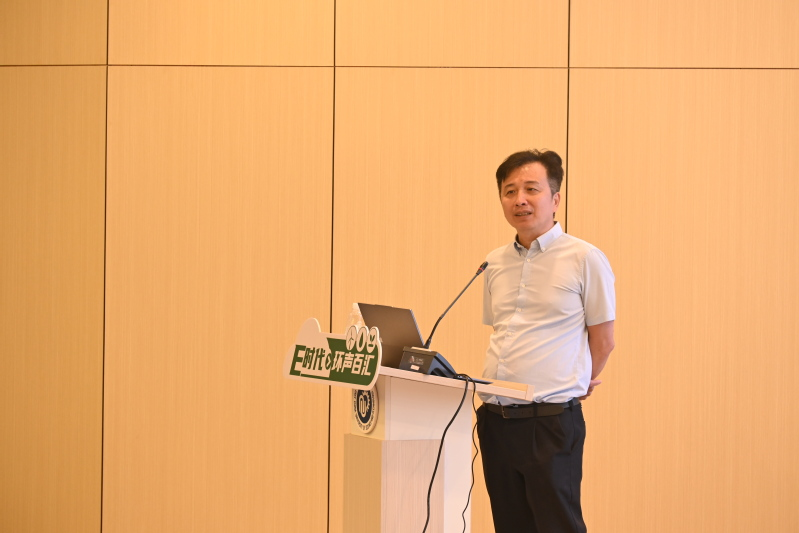
In the morning of May 23, the School of Resource and Environmental Engineering held the themed academic lecture, E Era: Gathering All Schools of Thoughts and specially invited Professor Li Shuncheng, the Director of the Field of the Functional Pivot Earth and Ocean Atmospheric Sciences, the Hong Kong University of Science and Technology (Guangzhou) and the field of Sustainable Energy and Environment to give lectures themed Air Pollution Control and Management in Hong Kong and How to be A Highly Cited Scholar? Xiu Guangli, the Secretary of the Party Committee of the School of Resource and Environmental Engineering, and students and teachers of the school attended the lecture, which was hosted by Xiu Guangli.
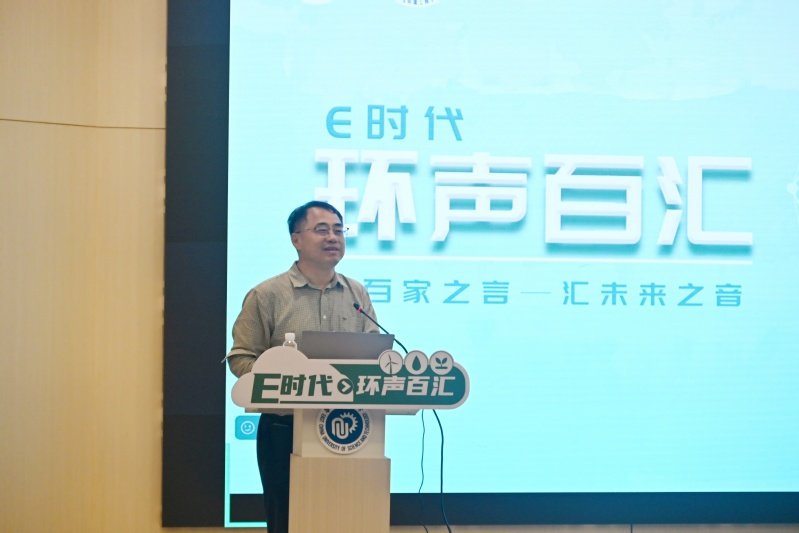
Based on his profound attainments and abundant practical experiences, Professor Li Shuncheng analyzed the current status of air pollution in Hong Kong and governance strategies in depth, introduced the influence of vehicle emission, marine pollution, regional smog, etc., on air pollution in detail, combined plenty of detailed and actual data and vivid cases, analyzes a series of positive acts taken by the government of the Hong Kong Special Administrative Region, and showed the demonstrative applications of the innovative techniques, including nano-photocatalysis coatings, electrostatic dust removal system, etc., in the Guangdong-Hong Kong-Macao Greater Bay Area and the world, including the cases of pollutant degradation in the tunnels in Hong Kong, N0x emission reduction in bus stations, etc.
In the sharing part themed How to be A Highly Cited Scholar?, Li Shuncheng unreservedly gave very practical suggestions to teachers and students on site. He emphasized that the selection of the research orientation is a key step in the academic path. Precise paper titles and reasonable keyword settings can improve the visibility and attractiveness of papers, and open-source publication can provide a broader platform for the extensive communication of academic achievements. He encouraged teachers and students on site to write as many literature reviews as possible, take the initiative to cooperate with peers, and improve academic influence by analyzing popular themes of frequently cited papers.
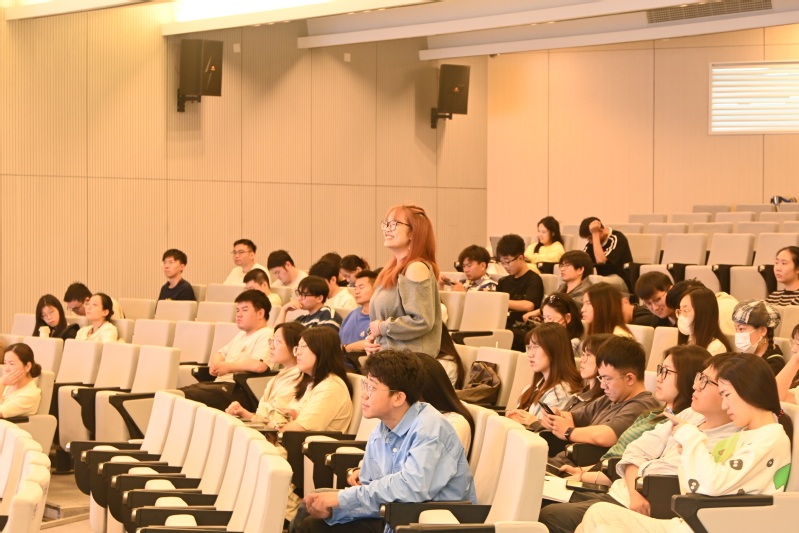
In the link of communication and interaction, teachers and students on site actively asked questions and centered on the themes, such as atmospheric pollution prevention, control, and governance, etc., to conduct in-depth discussion and communication. Li Shuncheng patiently and meticulously answered students' questions and discussed popular academic topics with teachers and students.
At the end of the lecture, Xiu Guangli appreciated the excellent report of Professor Li Shuncheng. He highly appraised Li Shuncheng's remarkable contributions in terms of academic research and knowledge sharing, and he hoped that all teachers and students could maintain their enthusiasm and confidence in scientific research and assist in the achievement of the goal, Carbon Peaking and Carbon Neutrality, as well as the construction of a beautiful China.